"How to Choose Your First Tarot Deck"
Why Your Deck Choice Matters
Choosing a tarot deck is a personal decision. The deck you connect with will be your primary learning tool, so it is worth spending a little time finding one that resonates with you. That said, there is no wrong choice - any standard 78-card tarot deck will serve you well.
The Recommended Starter: Rider-Waite-Smith
If you are just beginning your tarot journey, the Rider-Waite-Smith (RWS) deck is the most commonly recommended starting point, and for good reason:
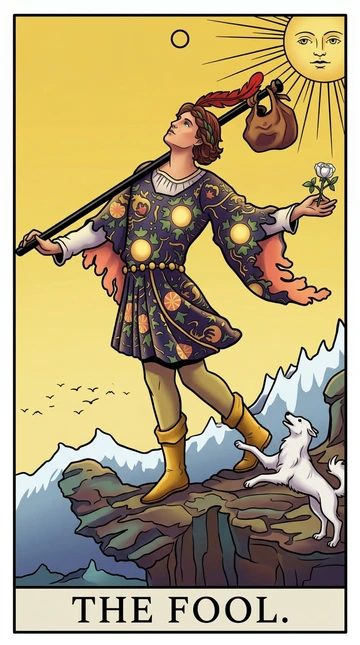
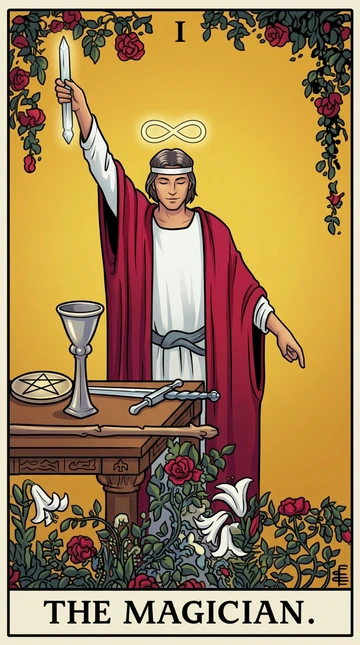
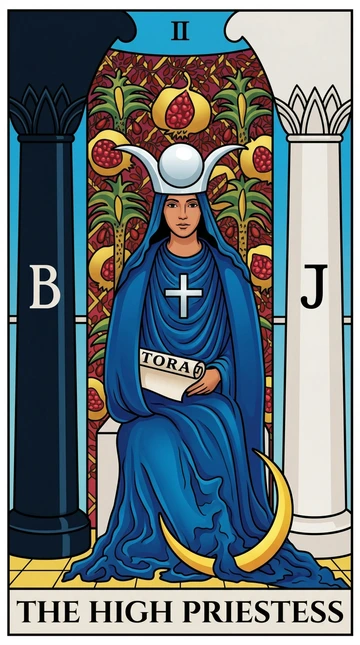
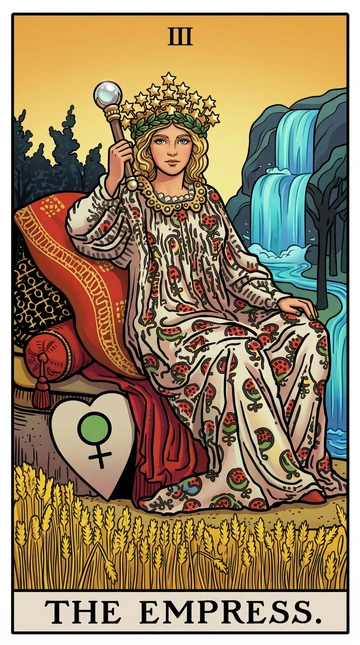
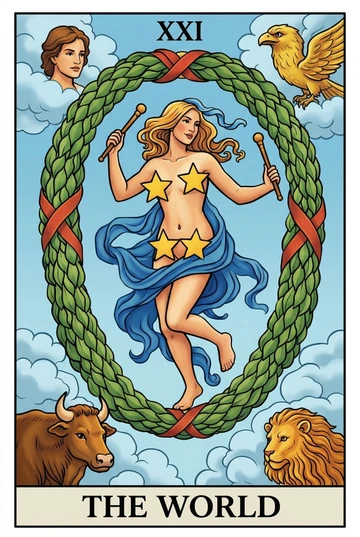
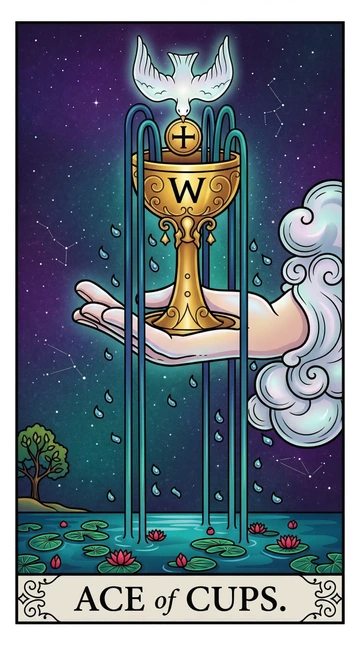
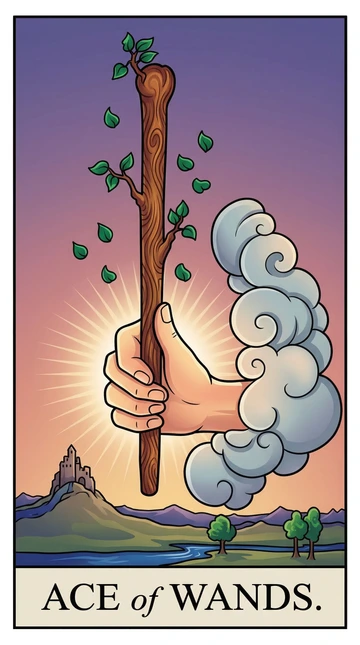
- ✱Fully illustrated cards - Every card, including the Minor Arcana, features detailed narrative scenes. This makes it far easier to learn through visual association rather than rote memorisation.
- ✱Abundant learning resources - The vast majority of tarot books, courses, and online guides reference the RWS imagery. Learning with this deck means you can follow along with virtually any resource.
- ✱Symbolic clarity - The imagery is designed to convey meaning directly. When you look at the Three of Swords, you see a heart pierced by three blades - the symbolism is immediately accessible.
- ✱Universal language - Most modern decks are based on the RWS system. Once you learn it, you can pick up almost any other deck and transfer your knowledge.
The RWS deck has been in print continuously since 1909 and is widely available in bookshops, online retailers, and metaphysical stores.
What to Look For in a Deck
Whether you choose the RWS or another deck, consider these practical factors:
Imagery that speaks to you - You will be spending a lot of time looking at these cards. Choose a deck whose art style genuinely appeals to you. If the imagery feels flat or off-putting, you will struggle to connect with the cards intuitively.
A companion guidebook - Many decks come packaged with a guidebook (sometimes called a Little White Book or LWB) that explains the creator's intended meaning for each card. This is especially valuable for decks that diverge from traditional RWS symbolism.
Card quality and size - Tarot cards come in various sizes and finishes. Standard tarot cards are larger than playing cards, which allows for more detailed artwork but can be harder to shuffle if you have smaller hands. Some decks offer a smaller "pocket" edition. A smooth, lightly textured finish tends to shuffle best.
A full 78-card deck - Make sure you are buying a complete tarot deck (22 Major Arcana + 56 Minor Arcana), not an oracle deck. Oracle decks are a different tool entirely - they have varying numbers of cards and their own unique systems.
Popular Alternatives for Beginners
If the RWS does not appeal to your aesthetic sensibilities, these decks are also excellent for learning:
- ✱The Modern Witch Tarot - A contemporary reimagining of the RWS with diverse, modern characters. Follows the same symbolism, so all RWS resources still apply.
- ✱The Morgan-Greer Tarot - Lush, borderless artwork that expands on the RWS imagery with a warm, 1970s-inspired colour palette.
- ✱The Robin Wood Tarot - Bright, clear illustrations with pagan-influenced imagery. Very readable and beginner-friendly.
- ✱The Everyday Tarot - A minimalist, modern take on the RWS. Clean lines and muted colours for readers who prefer a less ornate style.
All of these decks follow the standard RWS structure, which means the card meanings you learn will transfer seamlessly between them.
Digital vs Physical Decks
You do not need a physical deck to start learning tarot. Digital platforms offer several advantages for beginners:
- ✱Immediate access - No waiting for delivery or searching for a local stockist. You can start drawing cards straight away.
- ✱Built-in interpretations - Digital readings provide card meanings alongside the imagery, so you can learn as you go.
- ✱Consistent shuffling - Digital draws are truly random, removing any concern about shuffling technique.
Physical decks, on the other hand, offer a tactile, meditative experience that many readers find irreplaceable. The act of holding, shuffling, and laying out cards creates a ritual that helps you focus your attention.
The best approach for many beginners is to start with digital readings to learn the card meanings, then invest in a physical deck once you know which style of artwork speaks to you most. You can explore all 78 cards in our card browser to start building familiarity right now.
Trust Your Instinct
Ultimately, the best tarot deck is the one you are excited to pick up. Do not overthink it. If a particular deck catches your eye - if you find yourself drawn to its imagery and curious about what each card depicts - that is a strong signal that it is the right deck for you.
Your relationship with tarot will evolve over time, and most readers end up collecting multiple decks as their practice deepens. Your first deck is simply the beginning of that journey.