What Is Tarot? A Complete Beginner's Guide
What Is Tarot?
Tarot is a system of 78 illustrated cards used for personal reflection, self-discovery, and guidance. Each card carries symbolic imagery and meaning that can help you explore questions about your life, relationships, career, and inner world.
Unlike common misconceptions, tarot is not about predicting a fixed future. Instead, it offers a framework for examining your current situation from new angles, identifying patterns, and considering possibilities you might not have thought of on your own.
The Structure of a Tarot Deck
A standard tarot deck is divided into two main sections:
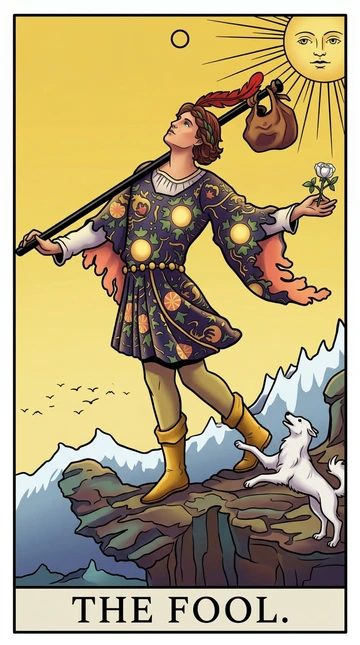
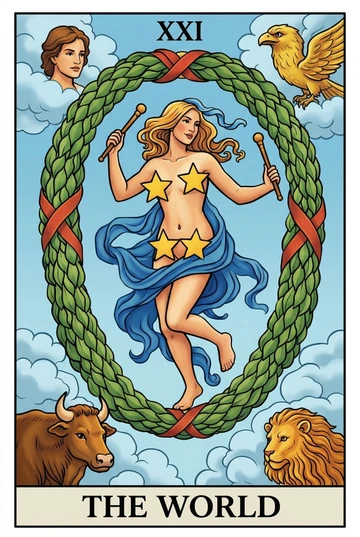
The Major Arcana consists of 22 cards numbered 0 to 21. These represent significant life themes, turning points, and universal human experiences. Cards like The Fool, The Tower, and The World depict archetypal journeys that most people encounter at various stages of life.
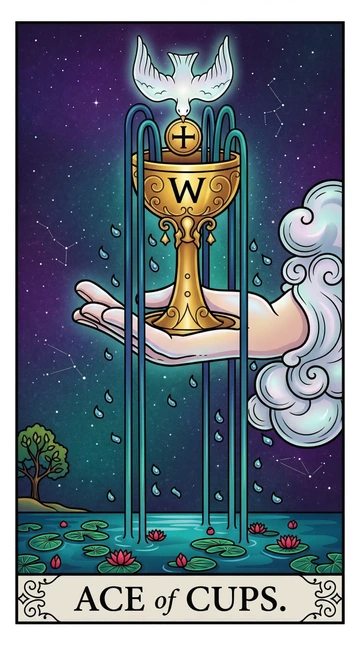
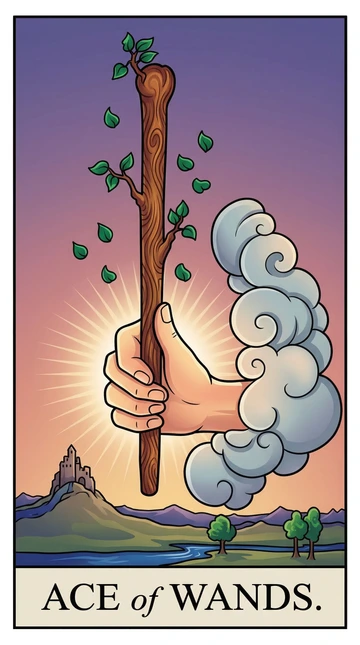
The Minor Arcana contains 56 cards split across four suits - Cups, Wands, Swords, and Pentacles. Each suit has cards numbered Ace through 10, plus four court cards (Page, Knight, Queen, and King). The Minor Arcana reflects everyday situations, challenges, and emotions.
Together, these 78 cards create a rich symbolic language that can be applied to virtually any question or situation.
How Do Tarot Readings Work?
In a tarot reading, cards are drawn and placed in a specific arrangement called a spread. Each position in the spread represents a different aspect of your question - for example, past influences, the present situation, and future possibilities.
The reader then interprets the cards based on their traditional meanings, the position they occupy, and how they relate to one another. A skilled reading weaves these elements together into a narrative that speaks to your specific situation.
Modern AI-powered readings, like those on Arcana, draw on centuries of traditional tarot knowledge to deliver personalised interpretations. The cards are drawn randomly, just as they would be in a physical reading, and the interpretation considers your question, the card positions, and even your personal context if you choose to share it.
Why Do People Use Tarot?
People turn to tarot for many reasons:
- ✱Self-reflection - Tarot provides a structured way to examine your thoughts, feelings, and circumstances. The symbolic imagery often surfaces insights that your conscious mind has been overlooking.
- ✱Decision-making - When facing a difficult choice, a tarot reading can help you consider different perspectives and potential outcomes, though the final decision always remains yours.
- ✱Personal growth - Regular tarot practice can deepen your self-awareness and help you track patterns in your life over time.
- ✱Mindfulness - The act of sitting with the cards, forming a question, and reflecting on the imagery is itself a meditative practice.
Common Misconceptions
Tarot does not tell the future. The cards reflect energies, patterns, and possibilities - not predetermined outcomes. You always have free will to make your own choices.
You do not need to be psychic to use tarot. Anyone can learn to read tarot cards. The imagery and symbolism are designed to be accessible, and the meanings can be studied like any other subject.
Tarot is not tied to any religion. While tarot has historical connections to various spiritual traditions, it can be used as a purely secular tool for self-reflection. How you interpret and use the cards is entirely up to you.
Getting Started
The best way to learn tarot is to start drawing cards. Begin with simple single-card draws - pull one card each morning and reflect on how its themes show up during your day. Over time, you will naturally develop an intuitive feel for the cards and their meanings.
You can explore all 78 card meanings in our card library, or try a reading to see the cards in action.